𝐎𝐠𝐮𝐧 𝐕𝐞𝐭𝐞𝐫𝐚𝐧 𝐉𝐨𝐮𝐫𝐧𝐚𝐥𝐢𝐬𝐭𝐬 𝐌𝐨𝐯𝐞 𝐭𝐨 𝐏𝐫𝐞𝐬𝐞𝐫𝐯𝐞 𝐉𝐨𝐮𝐫𝐧𝐚𝐥𝐢𝐬𝐦 𝐇𝐞𝐫𝐢𝐭𝐚𝐠𝐞 𝐖𝐢𝐭𝐡 𝐀𝐛𝐞𝐨𝐤𝐮𝐭𝐚 𝐌𝐮𝐬𝐞𝐮𝐦
The 𝑳𝒆𝒂𝒈𝒖𝒆 𝒐𝒇 𝑽𝒆𝒕𝒆𝒓𝒂𝒏 𝑱𝒐𝒖𝒓𝒏𝒂𝒍𝒊𝒔𝒕𝒔, 𝑶𝒈𝒖𝒏 𝑺𝒕𝒂𝒕𝒆 𝑪𝒉𝒂𝒑𝒕𝒆𝒓,is taking steps to preserve the history and heritage of journalism in Ogun State with plans to establish a journalism museum in Abeokuta.
The initiative, which has received the backing of the 𝑶𝒍𝒐𝒘𝒖 𝒐𝒇 𝑶𝒘𝒖 𝑲𝒊𝒏𝒈𝒅𝒐𝒎, 𝑶𝒃𝒂 (𝑷𝒓𝒐𝒇.) 𝑺𝒂𝒌𝒂 𝑴𝒂𝒕𝒆𝒎𝒊𝒍𝒐𝒍𝒂, is expected to preserve old newspapers, historical materials and an old printing machine connected with the history of 𝑰𝒘𝒆 𝑰𝒓𝒐𝒉𝒊𝒏.
The project also resonates strongly within the 𝑵𝒊𝒈𝒆𝒓𝒊𝒂𝒏 𝑰𝒏𝒔𝒕𝒊𝒕𝒖𝒕𝒆 𝒐𝒇 𝑱𝒐𝒖𝒓𝒏𝒂𝒍𝒊𝒔𝒎 𝑨𝒍𝒖𝒎𝒏𝒊 𝑨𝒔𝒔𝒐𝒄𝒊𝒂𝒕𝒊𝒐𝒏 (𝑵𝑰𝑱𝑨𝑨), with a number of NIJ alumni playing active roles within the League. Their involvement provides an additional link between the proposed museum and the wider professional heritage of journalism education and practice in Nigeria.
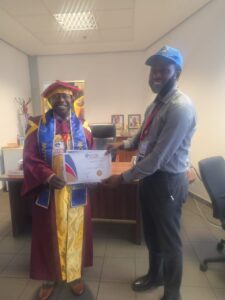
The initiative, unveiled during a recent courtesy visit by the Ogun State Chapter of the League to the Olowu of Owu Kingdom, Oba (Prof.) Saka Matemilola, represents an important effort to preserve the institutional memory of a profession that has played a defining role in Nigeria’s social and democratic development.
Particularly significant to the Nigerian Institute of Journalism Alumni Association (NIJAA) is the strong presence of NIJ alumni within the League and among those driving the initiative.
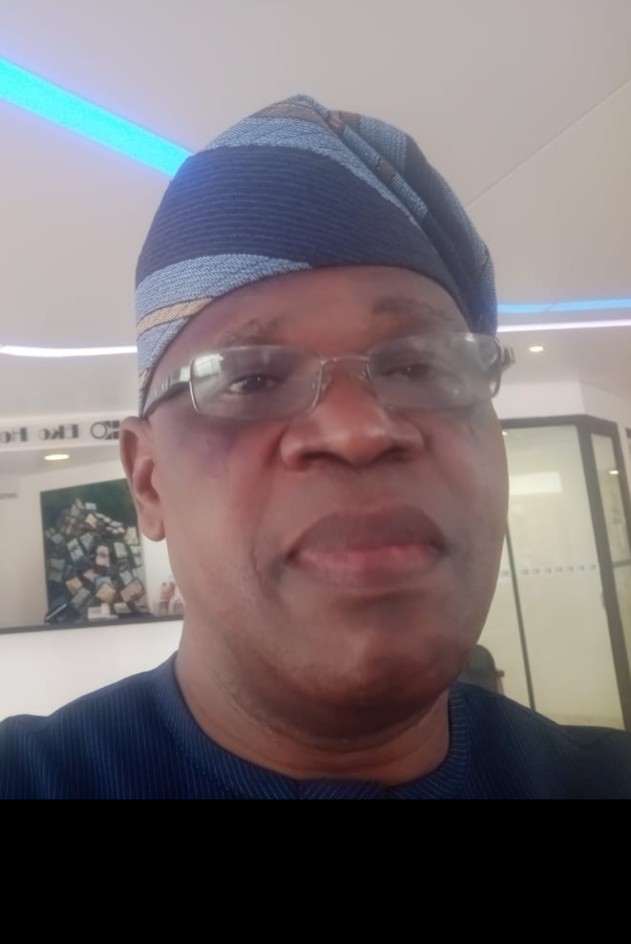
The League is led by its Chairman, 𝑴𝒓. 𝑨𝒚𝒐𝒅𝒆𝒍𝒆 𝑨𝒌𝒊𝒏𝒔𝒐𝒍𝒂,
himself a member of the NIJ Alumni Association. 𝑶𝒕𝒉𝒆𝒓 𝑵𝑰𝑱 𝒂𝒍𝒖𝒎𝒏𝒊 𝒊𝒅𝒆𝒏𝒕𝒊𝒇𝒊𝒆𝒅 𝒘𝒊𝒕𝒉 𝒕𝒉𝒆 𝑶𝒈𝒖𝒏 𝑺𝒕𝒂𝒕𝒆 𝑳𝒆𝒂𝒈𝒖𝒆 𝒊𝒏𝒄𝒍𝒖𝒅𝒆 𝑴𝒓. 𝑬𝒅𝒅𝒚 𝑨𝒊𝒏𝒂; 𝑩𝒂𝒓𝒓𝒊𝒔𝒕𝒆𝒓 𝑫𝒆𝒎𝒐𝒍𝒂 𝑩𝒂𝒅𝒆𝒋𝒐, 𝒇𝒐𝒓𝒎𝒆𝒓 𝑬𝒙𝒆𝒄𝒖𝒕𝒊𝒗𝒆 𝑫𝒊𝒓𝒆𝒄𝒕𝒐𝒓 𝒐𝒇 𝒕𝒉𝒆 𝑵𝒂𝒕𝒊𝒐𝒏𝒂𝒍 𝑩𝒓𝒐𝒂𝒅𝒄𝒂𝒔𝒕𝒊𝒏𝒈 𝑪𝒐𝒎𝒎𝒊𝒔𝒔𝒊𝒐𝒏; 𝑷𝒓𝒊𝒏𝒄𝒆 𝑫𝒊𝒎𝒆𝒋𝒊 𝑲𝒂𝒚𝒐𝒅𝒆-𝑨𝒅𝒆𝒅𝒆𝒋𝒊; 𝒂𝒏𝒅 𝑴𝒓. 𝑲𝒂𝒚𝒐𝒅𝒆 𝑩𝒆𝒍𝒍𝒐,
among others.
The proposed museum is envisaged for the proposed 𝑰𝒘𝒆 𝑰𝒓𝒐𝒉𝒊𝒏 𝑷𝒓𝒆𝒔𝒔 𝑪𝒆𝒏𝒕𝒓𝒆 site along Moshood Abiola Way, Abeokuta, and is expected to preserve old newspapers and other historical materials connected with the development of journalism. The League has also identified an old printing machine associated with the history of Iwe Irohin as a potential exhibit.
For NIJAA, the initiative resonates deeply with the Association’s renewed emphasis on reconnecting generations of journalism professionals and harnessing the experience and institutional knowledge of its members.
The story of Nigerian journalism cannot be told without recognising the pioneering role of Iwe Irohin, established in Abeokuta in the nineteenth century, and the generations of journalists who subsequently carried the profession forward. A museum dedicated to preserving that journey could therefore provide an important space for research, education and the transmission of professional history to younger generations.
The League’s intervention also goes beyond preserving physical artefacts. During the visit, its Chairman raised concerns about the spread of unprofessional journalism and misinformation, while advocating greater responsibility within the profession. The Olowu, in endorsing the proposed museum, similarly called for accountability and responsible journalism, including stronger efforts by experienced journalists to guide those coming behind them.
That emphasis on preservation, professionalism and mentorship makes the initiative particularly relevant to NIJ—the institution that has trained generations of Nigerian journalism and communications professionals.
It also demonstrates the value of alumni networks beyond reunions and social interaction. NIJ alumni continue to occupy influential positions across journalism, broadcasting, public relations, publishing and public service, and many are contributing their experience to initiatives that seek to strengthen the profession and preserve its heritage.
The proposed Journalism Museum is therefore more than a collection of old newspapers and obsolete equipment. Properly developed, it could become a living repository of Nigeria’s journalism story—a place where students, researchers, practitioners and members of the public can encounter the people, publications, technologies and ideas that helped shape the country’s media history.
For NIJAA, the initiative is another reminder that the experience of its alumni is an important part of the Institute’s living heritage.
As the Association continues its drive to reconnect NIJ alumni across generations and across Nigeria, initiatives such as this show what becomes possible when professional experience, institutional memory and a commitment to the future are brought together.
NIJAA celebrates the Ogun State League of Veteran Journalists and its NIJ alumni members for keeping the flame of journalism history, professionalism and mentorship alive.
𝑵𝑰𝑱𝑨𝑨 — 𝑭𝒓𝒐𝒎 𝑵𝒐𝒔𝒕𝒂𝒍𝒈𝒊𝒂 𝒕𝒐 𝑰𝒎𝒑𝒂𝒄𝒕. 𝑭𝒓𝒐𝒎 𝑹𝒆𝒖𝒏𝒊𝒐𝒏𝒔 𝒕𝒐 𝑹𝒆𝒔𝒖𝒍𝒕𝒔.
About Author