The Impact of Humanitarian and Philanthropic Commitment to the Needy By Abdulsalam Bawa Dangana

Across every society, there are people who wake up each day with more needs than resources available. The widow struggling to feed her children. The youth who finished school but cannot afford skills training. The elderly with no healthcare. The displaced family starting all over with nothing.
Humanitarian and philanthropic commitments exist to bridge that gap.
1. WHAT THEY MEAN
“Humanitarian commitment” is action taken to save lives, alleviate suffering, and protect human dignity during crisis. This includes disaster relief, food aid, healthcare, and support for refugees and displaced persons.
“Philanthropic commitment” is voluntary giving of time, money, skills, or resources to improve the wellbeing of others and build long-term community capacity. This includes scholarships, health outreach, skills training, and community projects.
Both are driven by one idea: “no one should be left behind.”
2. DIRECT IMPACT ON THE NEEDY AND LESS PRIVILEGED
A. Meeting Basic Needs
Food banks, free medical outreaches, and shelter programmes address immediate survival. For a family that has not eaten in 2 days, a bag of rice and clean water is not charity. It is life.
B. Access to Education and Skills
Philanthropic scholarships, free JAMB classes, and vocational training centers give young people a pathway out of poverty. When a less privileged child gains an education, the impact multiplies across generations.
C. Healthcare and Dignity
Free eye surgeries, maternal health programmes, and mobile clinics bring care to communities that cannot afford hospitals. Humanitarian health missions restore sight, save mothers, and prevent disease outbreaks.
D. Economic Empowerment
Micro-grants, market stalls, farming inputs, and skills acquisition for widows and persons with disabilities help people move from aid to independence. The goal is not permanent dependence, but restored dignity.
E. Protection During Crisis
In times of conflict, flood, or displacement, humanitarian organizations provide emergency shelter, psychosocial support, and protection for the most vulnerable – women, children, and the elderly.
3. BROADER IMPACT ON SOCIETY
When the needy are supported, the whole community becomes stronger.
1. Reduced Poverty Cycle: Children who are fed and schooled are less likely to be exploited.
2. Social Cohesion: Acts of giving build trust between classes and communities.
3. Economic Growth: Healthy, skilled people become productive citizens and entrepreneurs.
4. Resilience: Communities with strong support systems recover faster from disasters.
Philanthropy also inspires a culture of giving. One person helped often grows to help ten others and so on.
4. PRINCIPLES THAT MAKE COMMITMENTS EFFECTIVE
For impact to be real and lasting, humanitarian and philanthropic work must be guided by:
1. Dignity: Assist people without humiliating them.
2. Sustainability: Build systems, not just handouts.
3. Inclusion: Reach women, youth, elderly, persons with disabilities, rural areas, and minorities.
4. Transparency: Ensure resources actually reach the intended people – the needy.
5. Partnership: Work with government, local leaders, and the community itself.
5. THE CALL TO ACTION
Governments cannot do it alone. Businesses cannot do it alone. Individuals cannot do it alone.
Every person has something to give: money, time, expertise, advocacy, or compassion.
Every organization has a role: fund projects, volunteer staff, donate goods, or open doors.
Every community has a responsibility: identify the needy, protect the vulnerable, and ensure help is used well.
CONCLUSION
Humanitarian and philanthropic commitments are not about pity. They are about justice, shared humanity, and building a society where opportunity is not determined by birth.
When we feed the hungry, educate the child, heal the sick, and empower the weak, we are not just helping “them”. We are building a stronger “us”.
A society is measured not by how much its rich have, but by how well it cares for its least.
Let our commitment be: To leave no one behind.
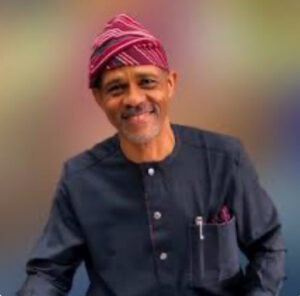
AMB. HON. ABDULSALAM BAWA DANGANA is the Managing Consultant/CEO of ABWA CONSULTS, an Ambassador of Peace. He Advocates for Inclusiveness; Patriotism; Peace, and Unity for the Development and Growth of our Communities.
Email: abwaconsults@gmail.com
Tel: +234807301359
About Author