The 𝑵𝒊𝒈𝒆𝒓𝒊𝒂𝒏 𝑰𝒏𝒔𝒕𝒊𝒕𝒖𝒕𝒆 𝒐𝒇 𝑱𝒐𝒖𝒓𝒏𝒂𝒍𝒊𝒔𝒎 𝑨𝒍𝒖𝒎𝒏𝒊 𝑨𝒔𝒔𝒐𝒄𝒊𝒂𝒕𝒊𝒐𝒏 (𝑵𝑰𝑱𝑨𝑨) has commenced an ambitious effort to identify and reconnect its alumni worldwide through a comprehensive Alumni Directory, with the new administration describing the initiative as a foundation for transforming the association into a more connected, data-driven and value-oriented institution.
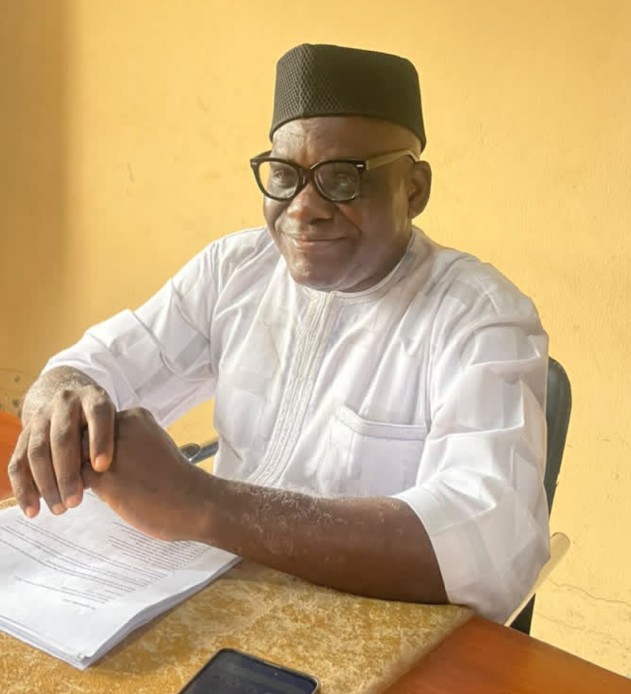
President of NIJAA, 𝑴𝒓. 𝑴𝒖𝒚𝒊𝒘𝒂 𝑨𝒌𝒊𝒏𝒕𝒖𝒏𝒅𝒆, said the decision to make the Directory one of the administration’s early initiatives was driven by a simple principle: “𝑳𝒆𝒂𝒅𝒆𝒓𝒔𝒉𝒊𝒑 𝒔𝒕𝒂𝒓𝒕𝒔 𝒘𝒊𝒕𝒉 𝒌𝒏𝒐𝒘𝒊𝒏𝒈 𝒚𝒐𝒖𝒓 𝒑𝒆𝒐𝒑𝒍𝒆.”
According to him, NIJ has produced exceptional professionals who are shaping journalism, public relations, advertising, broadcasting, digital media, public service and entrepreneurship in Nigeria and beyond, but the alumni association had not previously had a single, credible and searchable database showing who its members are and where they are located.
“We cannot build a strong alumni association without first knowing our members. We cannot advocate for the alumni and connect them to opportunities; we cannot mobilise for our alma mater, if we cannot find ourselves,” Akintunde said.
He described the Directory as more than a census or membership register, saying the administration envisages it growing into a marketplace of professional expertise, opportunities, relationships and services within the NIJAA community.
The initiative comes as NIJAA seeks to reconnect a widely dispersed alumni population. The Association has so far identified close to 1,000 members through its WhatsApp platforms, while 136 members had completed the new Directory registration as of September 14, 2026. The President estimates that 𝑵𝑰𝑱 𝒉𝒂𝒔 𝒑𝒓𝒐𝒅𝒖𝒄𝒆𝒅 𝒘𝒆𝒍𝒍 𝒐𝒗𝒆𝒓 10,000 𝒈𝒓𝒂𝒅𝒖𝒂𝒕𝒆𝒔 since its establishment, indicating the scale of the reconnection exercise still ahead.
Akintunde said the administration intends to work through class captains and set representatives across ND, HND, PGD and short-course programmes dating back several decades to reach alumni who may have lost contact with the Association.
The Diaspora is also a major focus, with plans to develop NIJAA chapters in locations where significant concentrations of alumni exist. The President stressed that distance should no longer translate into disconnection, noting that the Directory is designed to enable alumni to register and remain connected regardless of their location.
But the administration’s ambition goes beyond simply knowing where alumni are. Akintunde said the Directory is intended to facilitate structured professional networking, mentorship, welfare, recognition and access to opportunities. He gave the example of an alumnus looking for an editor in Kano, a public relations professional in Enugu, a media buyer in Lagos or a collaborator in London.
“Value remains hidden when people are invisible. The Directory makes us visible to each other,” he said.
The planned 𝑵𝑰𝑱𝑨𝑨 𝑴𝒆𝒏𝒕𝒐𝒓𝒔𝒉𝒊𝒑 𝑪𝒐𝒏𝒏𝒆𝒄𝒕 will use the database to link younger alumni with experienced professionals, while a proposed 𝑵𝑰𝑱𝑨𝑨 𝑶𝒑𝒑𝒐𝒓𝒕𝒖𝒏𝒊𝒕𝒊𝒆𝒔 𝑫𝒆𝒔𝒌 is expected to facilitate access to jobs, fellowships, training, freelance engagements and other professional opportunities.
The Directory is also expected to strengthen NIJAA’s welfare response by making it easier to locate members and respond to significant events affecting them. The administration is considering further initiatives, including cooperative and health insurance arrangements, which would require a properly verified membership database.
Recognition of alumni achievements is another intended benefit. With better information about members’ professional accomplishments, NIJAA hopes to strengthen its alumni spotlight activities and develop initiatives such as merit awards to celebrate outstanding contributions across different fields.
Akintunde was emphatic that the Directory must not become merely a document containing names and telephone numbers.
“We realise that if the Directory ends as just a PDF of names and phone numbers in files, we have failed,” he said.
One of the most significant developments to emerge from the initiative is the administration’s plan to introduce 𝑫𝒊𝒈𝒊𝒕𝒂𝒍 𝑵𝑰𝑱𝑨𝑨 𝑴𝒆𝒎𝒃𝒆𝒓𝒔𝒉𝒊𝒑 𝑪𝒂𝒓𝒅𝒔. Akintunde confirmed that verified members will ultimately receive digital cards bearing a unique NIJAA identification number, photograph, set and chapter details, with a QR code linked to their verified Directory profile.
He explained that the membership card would be the natural next stage after verification of the Directory, particularly because digital identification would make membership easier for alumni living outside Nigeria.
The proposed system is expected to support digital storage and sharing, while the QR code would provide a means of confirming a member’s verified status. The administration also envisages the card eventually supporting access to NIJAA events, programmes and selected member benefits.
The President said the initiative reflects the broader philosophy of his administration to move NIJAA from a largely informal digital community into a more organised institution with reliable records and systems capable of supporting long-term planning.
For alumni who have not reconnected with NIJAA, Akintunde has a simple appeal.
“NIJ gave us more than a certificate. It gave us identity, it gave us craft, it gave us friends who became family. It gave us lecturers who shaped us. You cannot forget your root.”
He urged alumni, whether they graduated decades ago or more recently, and regardless of whether they remain in journalism or have moved into other professions, to reconnect with the Association and complete the Directory registration.
“We have identified about 1,000 of us on our platforms, but we know we are more than 10,000. Imagine what 10,000 NIJ alumni can do for each other and for our great Institute if we are truly connected,” he said.
The Alumni Directory registration is currently ongoing, with October 12, 2026 set as the deadline for the current registration phase.
For NIJAA, however, the exercise represents more than data collection. It is the first attempt to put a face, location, profession and identity to the vast human network produced by the Nigerian Institute of Journalism—and to turn that network into a source of lasting value.
As Akintunde puts it: “𝑻𝒉𝒊𝒔 𝑫𝒊𝒓𝒆𝒄𝒕𝒐𝒓𝒚 𝒊𝒔 𝒋𝒖𝒔𝒕 𝒕𝒉𝒆 𝒃𝒆𝒈𝒊𝒏𝒏𝒊𝒏𝒈.”
About Author