GBENGA HASHIM’S ADVISOR CHALLENGES FINANCE MINISTER, INSISTS ACCORD’S #605 PETROL BENCHMARK IS ACHIEVABLE
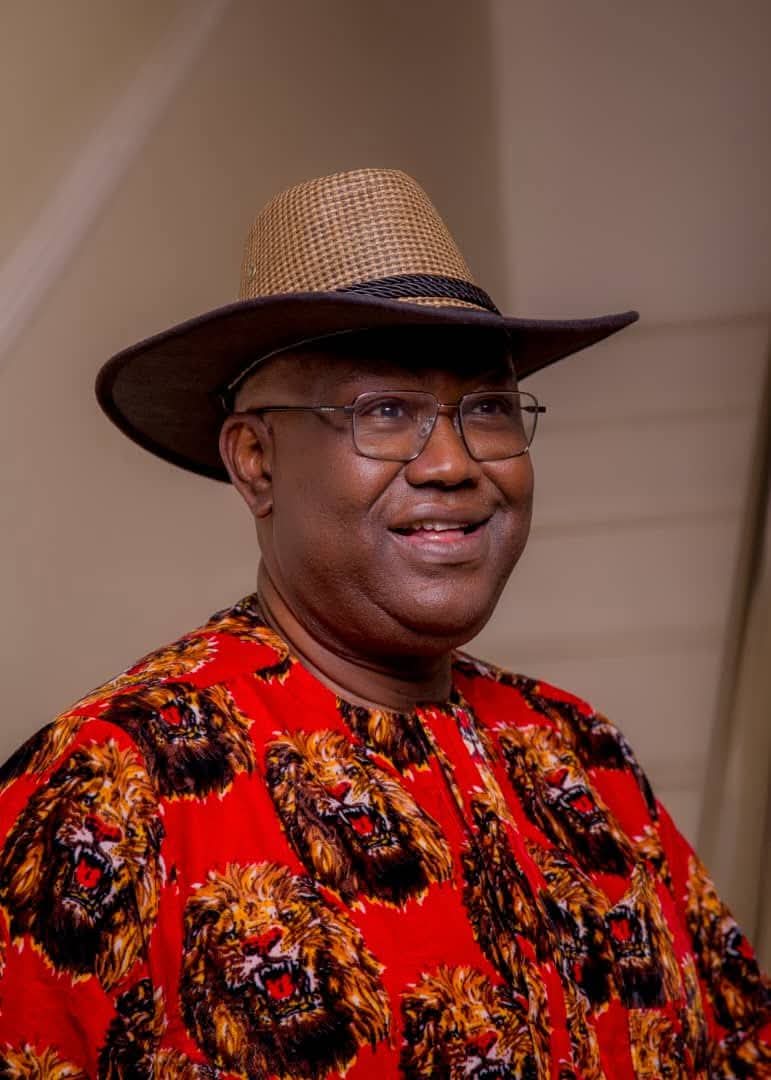
A Senior Special Adviser on Economic Matters to Accord Presidential candidate, Dr. Gbenga Olawepo-Hashim, Mr. Olika Odika, has challenged Finance Minister Taiwo Oyedele’s position on the Federal Government’s crude oil entitlements, insisting that Nigeria’s petroleum revenues must be assessed beyond the government’s direct share of crude production.
Olika described the minister’s argument that the Federal Government does not own all crude produced in Nigeria as only half the truth, saying it overlooks the government’s multiple revenue streams from the petroleum industry and its responsibility to ensure that the country’s oil wealth benefits Nigerians.
“The fact the minister’s argument obscures is that the Federal Government collects petroleum profit tax, royalties and sundry charges, in addition to NNPC’s share under joint-venture arrangements.
These revenue streams must be considered together when assessing the total value accruing to the Nigerian State,” Olika said.
He argued that Nigeria’s effective Government take could exceed 70 per cent under some petroleum fiscal arrangements, while calling for a transparent breakdown of production costs, contractual entitlements, royalties, taxes and other charges to establish the actual Government share across the Country’s petroleum projects.
According to him, the debate should not end with arguments about crude ownership while Nigerians continue to bear the burden of high energy costs.
“The truth is that there is too much rent paid to the Federal Government compared with other oil and gas jurisdictions.
There is too much money being shared among a few people while the majority cannot afford the energy required for transportation, agriculture and manufacturing,” he said.
Olika maintained that Nigeria’s central problem is not a lack of petroleum resources but the failure to organise the sector around affordable energy, domestic production and the wider economic interests of citizens.
Reaffirming Hashim’s Energy First policy, Olika said the Accord Presidential candidate had proposed an initial petrol price benchmark of ₦605 per litre, with a gradual reduction to ₦200–₦300 per litre through a deliberate restructuring of the domestic petroleum value chain.
He said the proposal is based on reducing the underlying costs of production and supply rather than relying on temporary price interventions that fail to address the structural causes of expensive petrol.
Under the Energy First approach, Nigeria would prioritise domestic refining, ensure reliable crude supply to local refineries, reduce avoidable production and distribution costs, and improve the efficiency of the entire petroleum value chain.
“The position of Dr. Gbenga Hashim is clear, Nigeria must put its energy resources to work for Nigerians. We cannot continue to produce crude oil while our people struggle to afford the energy required to transport goods, grow food and operate industries,” Olika said.
Olika also said Nigeria could learn from other OPEC members that have structured their energy policies around domestic economic priorities, while adapting relevant lessons to Nigeria’s own production costs, fiscal arrangements and refining capacity.
Olika said the Energy First policy reflects Hashim’s broader position that National resources should improve citizens’ economic capacity rather than remain disconnected from their daily realities.
He maintained that a Country’s petroleum wealth should be measured not only by the revenue Government collects but also by the economic opportunities, affordable energy and productive capacity that the resources create for its people.
About Author