MCP questions the rationale behind suspending parliamentary deliberations.
By Michael Martin//MALAWI
✓ Governance and political commentators describe the decision as questionable.
✓ Mutharika says the move will save money
By Michael Martin//MALAWI
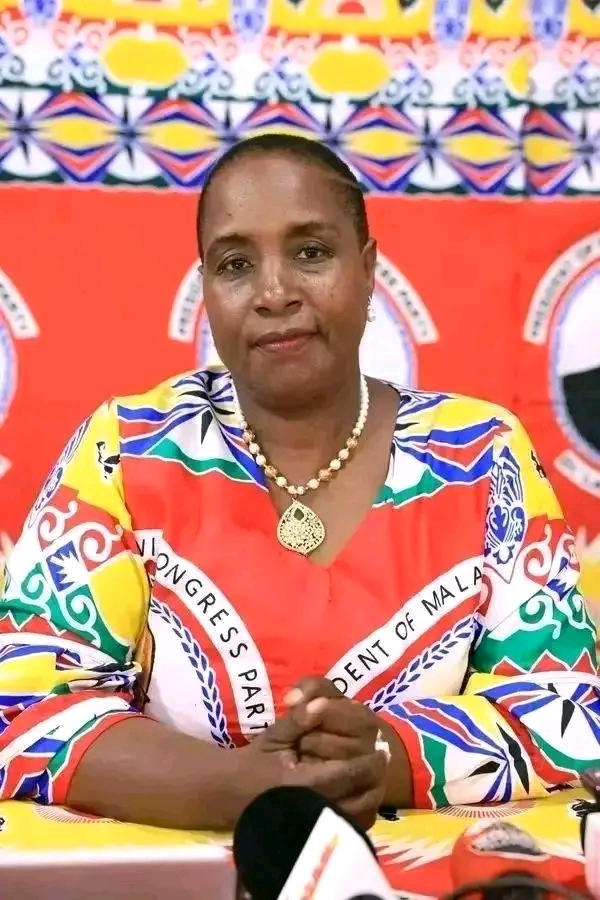
Embattled opposition Malawi Congress Party (MCP) has expressed disillusionment over reports that President Arthur Peter Mutharika has halted the planned sitting of Parliament, questioning the rationale behind the decision particularly given his background as a legal expert.
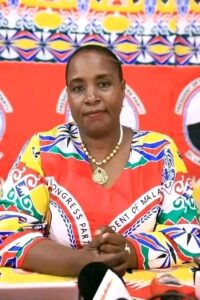
Speaking in an interview, MCP spokesperson Jessie Kabwila said the decision, if confirmed would be regrettable because parliamentary sittings provide legislators from across the country with an important platform to debate national challenges and propose solutions to issues that affect Malawians.
Kabwila’s remarks follow the circulation of a letter indicating that Mutharika had invoked Section 59(1) of the Constitution to prevent the planned parliamentary sitting from taking place.
She argued that Parliament should remain an important forum for accountability where government policies, economic management and the delivery of essential services can be scrutinized by elected representatives.
Kabwila further suggested that the postponement could prevent lawmakers from questioning the government on pressing concerns including fuel shortages, unreliable water and electricity supplies and reports of tensions between the President and his deputy.
“If this report is true, it is regrettable,” Kabwila said.
She added that the government should allow Parliament to perform its constitutional role rather than suspend deliberations at a time when the country faces multiple challenges.
In his remarks, governance commentator of the Malawi University of Business and Applied Sciences, Chimwemwe Tsitsi has questioned the decision by describing it as unclear and suspicious, particularly because the parliamentary sitting had already been incorporated into the national budget calendar and preparations were reportedly underway.
Tsitsi said the planned sitting was expected to provide lawmakers with an opportunity to examine the government’s mid-year budget performance and the financial plans for the 2026/2027 fiscal year.
He argued that postponing the sitting without compelling emergency circumstances could deprive Parliament of an opportunity to scrutinise government expenditure and discuss possible responses to the country’s economic difficulties.
Tsitsi said that the argument that cancelling the sitting would save money for addressing fuel shortages and El Niño-related challenges requires careful examination because the savings from parliamentary proceedings may not be sufficient to resolve problems rooted in broader economic pressures.
He further observed that fuel challenges are linked to foreign exchange constraints, meaning that addressing the situation requires broader economic interventions beyond simply reducing expenditure on parliamentary sittings.
However, political commentator Lucky Mbewe has supported the decision, arguing that the government should prioritize urgent national challenges and direct its attention towards addressing the fuel crisis and the effects of El Niño.
Mbewe’s position presents a contrasting view in the debate, with the government potentially seeking to reduce expenditure and redirect resources towards immediate national priorities.
The planned parliamentary sitting was scheduled to begin on November 9 and run until December 11, 2026, with lawmakers expected to scrutinise the mid-year budget review and other fiscal matters.
The development has also attracted attention following remarks by Nkhotakota legislator Sylvester Ayuba James, who reportedly claimed that four cabinet ministers were pressuring Mutharika not to convene Parliament for fear of facing difficult questions about economic management and alleged corruption.
However, the claims concerning the ministers’ alleged involvement have not been independently established and should be treated as allegations rather than confirmed facts.
In the letter circulating on social media, Mutharika reportedly said the decision was intended to save public funds that would otherwise have been spent on convening Parliament, allowing the resources to be redirected towards addressing fuel shortages and challenges associated with El Niño.
The President has also reportedly asked lawmakers to continue their deliberations through parliamentary committees, suggesting that some legislative work could proceed despite the cancellation of the planned sitting.
Nevertheless, the decision raises broader questions about the balance between reducing public expenditure and maintaining parliamentary oversight, particularly at a time when Malawians are demanding answers on the cost of living, fuel availability and the performance of public institutions.
About Author