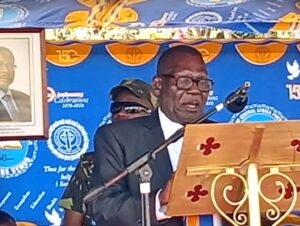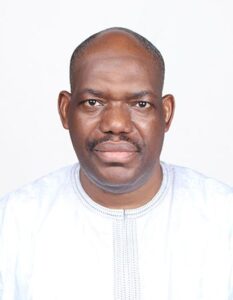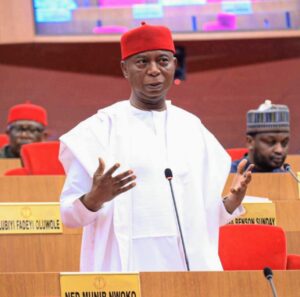
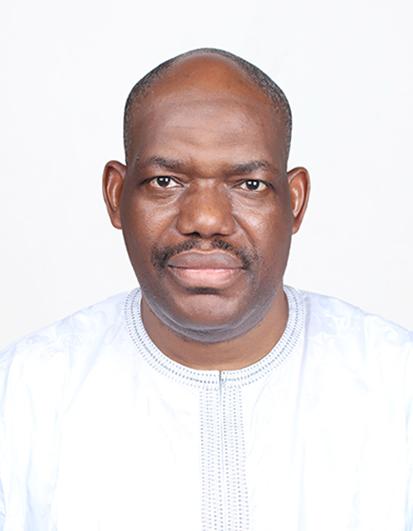
An anti-corruption scholar and former Nigerian Ambassador to Russia, Professor Shehu Abdullahi has again described corruption as a major obstacle to Africa’s development. The former diplomat who opines that corruption is not only acceptance of bribe or embezzlement of fund but the recovery of such illicit wealth requires the efforts of all African Countries.
In his Keynote Remarks at the African Asset Recovery Practitioners’ Forum (AARP-F), General Assembly Held in Abuja, Nigeria, on 17-20 November 2026, Professor Shehu who speaks on Africa’s common position on asset recovery highlighted the challenges of enhancing Africa’s asset recovery architecture through Effective Implementation of the Common African Position on Asset Recovery, (CAPAR), Continental policy and institutional action. In at the African Asset Recovery Practitioners’ Forum (AARP-F), General Assembly Held in Abuja, Nigeria, on 17-20 November 2026.
BELOW IS THE FULL DETAILS OF THE PRESENTATION WHICH WAS OBTAINED BY SECURITY MONITOR…
FROM COMMITMENT TO ACTION: ENABLING AFRICA’S ASSET RECOVERY ARCHITECTIURE THROUGH EFFECTIVE IMPELEMENTATION OF THE COMMON AFRICAN POSITION ON ASSET RECOVERY (CAPAR) BY AMBASSADOR (PROF) ABDULLAHI Y. SHEHU
PREAMBLE
I am honoured to be the Guest Speaker at the African Asset Recovery Practitioners’ Forum holding in Abuja, Nigeria from 17 to 20 November 2026. The issue of asset recovery is close to my mind as I have been involved in efforts to recover stolen wealth at both national and international levels. In my nearly four decades of anti-corruption work, I have found the subject very interesting and compelling, especially during my experience as a member of the United Nations Ad hoc Committee on the Elaboration of the UN Convention against Corruption, and thereafter when I served as a Programme Expert on the UN Global Programme against Corruption (GPAC) from 2003 to 2005.
In Nigeria, my active role as the facilitator of the first international conference on corruption, held in Abuja in June 2000 preparatory to the establishment of the Independent Corrupt Practices and Other Related Offences Commission (ICPC) opened the gateway for Nigeria’s major initiatives against corruption. However, the nature, manifestations and deleterious effects of corruption at that time is comparable to what we experience nowadays. Consequently, we must devise new approaches to not only deal with corruption, but also the proceeds of corruption and other organised crimes – and this is the main thrust of the AARP-F.
I therefore wish to express my gratitude to Dr. Musa Adamu Aliyu, SAN, Chairman, ICPC, for recommending me as the Guest Speaker at this Forum’s 1st General Assembly. I congratulate him for his leadership of the AARP-F for the past two years and congratulate Nigeria for leading the fight against corruption in Africa and for hosting this First General Assembly of the Forum.
Introduction
Corruption is not only the acceptance of bribes and embezzlement of funds. It has multiple dimensions and debilitating consequences for any society. According to the United Nations Anti-Corruption Toolkit, (2003) “If corruption is understood as a collection of phenomena, it then follows that understanding corruption requires an understanding not only of the individual phenomena, but also how they are related, and that such a general understanding is critical to developing effective control strategies”.
Developing societies, especially in Africa, are more affected by corruption largely because they lack effective rule of law to prevent and combat corruption. But beyond rule of law is the most important factor – the political will to tackle corruption head-on. The choice of the theme of this workshop, which is “From Commitment to Action: Enhancing Africa’s Asset Recovery Architecture through Effective Implementation of the Common African Position on Asset recovery”, is therefore very apt, especially in view of the current debate regarding some high-profile corruption cases and illicit financial flows from Africa. It challenges us to move beyond declarations, resolutions and expressions of political commitment towards concrete, measurable and sustainable actions.
A corrupt practice is simply an act or conducts in which a person abuses entrusted power, authority or position for personal, political, financial or other improper gains. Examples include, bribery, embezzlement, fraud, extortion, nepotism and favouritism, conflict of interest, abuse of office, procurement corruption, etc. As stated earlier, corruption is broader than a corrupt act or practice. The UN Guide against Corruption (2003:23) captures this succinctly – “Corruption is both created by and attractive to organized crime, both at the domestic and international levels. Apart from the obvious incentives for organised criminal groups to launder and conceal their assets, various forms of corruption allow such groups to minimise the risks and maximise the benefits of their various criminal enterprises”.
It is estimated that between 1970 to 2008 alone, Africa lost up to US$ 1.8 trillion, and that it continues to lose extensive finances estimated at up to US$150 billion annually through Illicit Financial Flows (IFFs) or Illicit Capital Flight. The AU High-Level Panel Report notes that Africa remains a net creditor to the rest of the world, even though, despite the inflow of official development assistance, the continent has suffered and continues to suffer from a crisis of insufficient resources to finance its own development. The Report notes that Africa’s capital stock would have expanded by more than 60 per cent if funds leaving Africa illicitly had remained on the continent, GDP per capita would be up to 15 per cent more.
One of the most disturbing consequences of corruption is the movement of wealth generated from Africa into foreign jurisdictions, where such assets are concealed, invested, transferred or integrated into other legitimate financial and commercial systems.
Anti-corruption
Anti-corruption refers to the measures, actions, laws and policies adopted and used to prevent, detect, and punish acts of corruption. Examples include stronger laws, transparency decision-making, independent investigations, financial audits, whistle blower protections, penalties for people or organisations involved in corrupt practice. Accordingly, the key thematic focus of the UN Guide and Toolkits for addressing corruption and related asset recovery are centred around:
Anti-corruption legislation, including effective legislation to address burden of proof and whistle-blower and protection laws.
Assessment of the nature and extent of corruption, including the capacity of institutions to respond to the challenges of corruption and asset recovery.
Anti-corruption strategies and integrated approach in fighting corruption. These are generally contained in National Anti-Corruption Policies and Mechanisms as contained in Articles 5, 6, and 13 of the UNCAC.
Prevention – this includes measures for disclosure of assets, curbing corruption in procurement process, reducing procedural complexities and structured discretion, access to information and the active participation of civil society and the media; as well as positive incentives, etc. Prevention also includes awareness raising and public education.
Institution building – to promote integrity in the public and private sectors, the creation of specialised anti-corruption agencies, strengthening of auditors and audit and; as well as oversight institutions and service reforms to ensure service delivery according to Articles 7, 8, 9, 10, and 12 of the UNCAC.
Enforcement – including successful investigations and prosecutions, monitoring and evaluation. Article 36 of the UNCAC says that anti-corruption should be independent from political and financial interference; anti-corruption agencies must be provided with adequate resources; and given appropriate training.
Strengthening judicial integrity in accordance with Article 11 of the UNCAC; and
Dealing with and denying the proceeds of corruption (Article 14).
Against this background, I will examine asset recovery and the international frameworks for addressing asset recovery; and then appraise the Common African Position on Asset Recovery (CAPAR), its adoption, content, status of implementation, as well as associated challenges. That will lead to me discuss the need and imperative not only to move from commitment to action, but to even better results based on the recommendations I will make in this paper.
Asset Recovery (AR)
Briefly stated, asset recovery is the process of identifying, tracing, freezing, seizing, confiscating, forfeiting, and ultimately returning or disposing assets that were obtained through crime or unlawful activity. The UNCAC, in chapter V, Articles 51-59, makes AR a fundamental principle of the Convention – it states that “the return of assets is a fundamental principle of this Convention”.
Consequently, the international dimension of corruption involves cooperation through Mutual Legal Assistance (MLA), information sharing, extradition arrangements, and the use international conventions. As the UNCAC recognises AR as a fundamental principle, it also provides framework for international cooperation in recovering proceeds of corruption.
Therefore, asset recovery must not be regarded merely as a financial or law enforcement issue. It is fundamentally an instrument of economic justice, good governance, national security and sustainable development. The central question before us is no longer whether Africa needs an effective asset recovery framework. The question is whether we possess the collective political will, institutional capacity and international partnerships necessary to translate existing commitments into tangible results.
Asset Recovery Framework
African countries have adopted continental and international conventions, established anti-corruption institutions, enacted legislation and participated in numerous international cooperation initiatives. Overall, the asset recovery framework is based on the following:
The African Union Convention on Preventing and Combating Corruption.
The United Nations Convention against Corruption (UNCAC).
The African Union’s Common African Position on Asset Recovery.
The African Union High-Level Panel on Illicit Financial Flows.
The Financial Action Task Force (FATF) standards on combating money laundering and terrorist financing.
The adoption of these instruments by African countries demonstrates that Africa is not lacking in policy commitments. However, a significant implementation gap persists as many African countries continue to experience weak institutional coordination, inadequate investigative capacity, insufficient funding, fragmented legal frameworks and difficulties accessing financial information held in foreign jurisdictions.
The Common African Position on Asset Recovery (CAPAR)
Let me state from the outside that “Africa does not lack commitments on asset recovery; what Africa needs is the political will, institutional capacity, international cooperation and accountability mechanisms to translate those commitments into recovered assets and tangible development outcomes.”
The Common African Position on Asset Recovery (CAPAR) is a continental policy and advocacy framework adopted by the African Union (AU) to strengthen Africa’s collective efforts to identify, trace, recover, repatriate and effectively manage assets illicitly removed from the continent. It, therefore, represents Africa’s collective response to the problem of illicit financial flows, corruption, money laundering, tax evasion and the concealment of stolen public wealth in foreign jurisdictions. As stated earlier, it is an important instrument for promoting economic justice, good governance, accountability and sustainable development.
Fundamentally, CAPAR seeks to ensure that wealth illegally taken out of Africa is recovered and returned for the benefit of African countries and their citizens.
The development of CAPAR was informed by growing concerns about the enormous financial resources being illegally transferred from Africa to foreign jurisdictions. Several developments preceded its adoption, namely:
First, the Special Declaration of the AU on Illicit Financial Flows (IFFs) (2015), in which the AU called for the identification, recovery and return of financial resources lost through illicit capital flight and illicit financial flows to support Africa’s development agenda.
Secondly, the report of the High-Level Panel, chaired by former South African President Thabo Mbeki, which highlighted the scale of illicit financial flows from Africa and their devastating consequences for economic development.
Thirdly, the Declaration of the African Anti-Corruption Year in 2018 when the AU declared 2018 as the African Anti-Corruption Year under the theme: Winning the Fight Against Corruption: A Sustainable Path to Africa’s Transformation. This initiative strengthened the continental commitment to recovering stolen African assets; and
Fourthly, the proposal by former President Muhammadu Buhari of Nigeria for the development and adoption of a common African position on asset recovery.
Consequently, the CAPAR was adopted in February 20020 with the following objectives:
To strengthen Africa’s capacity to identify and recover assets illegally removed from the continent.
To promote international cooperation in tracing, freezing, confiscating and repatriating stolen assets.
To establish a common African position in negotiations with countries holding African illicitly acquired assets.
To address the challenges associated with illicit financial flows.
To promote transparency and accountability in the management of recovered assets.
To strengthen national, regional and continental asset recovery institutions.
To ensure that recovered assets contribute to Africa’s economic development.
To promote the protection of human rights and the rule of law throughout the asset recovery process.
An important principle is that recovered assets should be managed in accordance with the sovereignty, domestic laws and legitimate development priorities of African countries. Hence, the CAPAR was predicated on four strategic pillars, viz:
Detection and Identification of Illicitly Removed Assets: The overall objective is to establish where stolen assets are located, who owns them and how they were acquired or transferred. And for this to be achieved, there must be:
Effective financial intelligence systems.
Investigation of suspicious financial transactions.
Identification of beneficial owners of companies and properties.
Strengthening anti-money laundering institutions.
International exchange of financial information.
Use of modern technology to trace assets.
Strengthening whistleblower protection.
Recovery and Return of Illicitly Removed Assets: To detect and identify assets is not enough. CAPAR seeks to strengthen Africa’s collective negotiating position in addressing the difficulties associated with recovery and return of assets. Fortunately, the return of assets to origin is also a fundamental pillar of the UNCAC and that should enable African countries to effectively pursue, recover and return stolen assets. But this must be done legally based on the CAPAR principle and objective; and for this pillar to work, actions must aim at:
Freezing suspicious assets.
Seizure and confiscation of proceeds of crime.
Mutual legal assistance between countries.
International cooperation in criminal investigations.
Negotiations with countries holding illicitly transferred assets.
Repatriation of recovered wealth.
Management of Recovered Assets: Recovering asset is also not enough. Ensuring that recovered assets are managed transparently with accountability is also important to build trust and confidence in the process. To avoid further diversion and mismanagement of the recovered assets, CAPAR seeks promote:
Transparent management of recovered funds
Independent auditing.
Public accountability.
Proper documentation of recovered assets.
Effective monitoring of their utilisation.
Deployment of recovered resources for national development.
The ultimate objective is to ensure that recovered assets benefit the citizens from whom the wealth was originally stolen.
Cooperation and Partnerships: As the detection, identification, recovery and return of assets require cross jurisdictional actions, including investigation and mutual legal assistance, international cooperation is the key to success and this has been acknowledged in the asset recovery frameworks discussed earlier. In view of this, CAPAR recognises the importance of cooperation among all partners, and this pillar seeks to harmonise approaches, strengthen information sharing, and promote effective cooperation among:
African governments.
Anti-corruption agencies.
Financial intelligence units.
Law enforcement institutions.
Regional economic communities.
International organisations.
Countries where illicit African assets are held.
Civil society organisations.
Development partners.
An important element of CAPAR is the recognition that asset recovery should be situated within Africa’s broader historical, political, economic and social contexts; that is, the consideration of the historical removal of African wealth, including cultural artefacts and resources associated with colonialism and slavery. Beyond this is also the fact that the four pillars of CAPAR distinguishes it from other forms of cooperation in several ways:
The most important distinction is that CAPAR promotes a common continental position on asset recovery
It encourages coordination between and among African countries
Strengthens Africa’s collective bargaining position globally
It is comprehensive, integrated and impact-oriented as it covers all aspects of asset recovery, including detection, identification, recovery, return and management
CAPAR emphases common good and development priorities; and
Integrates political, diplomatic, legal and institutional approaches in its implementation requirements.
Status of Implementation
Undoubtedly, CAPAR provides Africa with a common framework for addressing the challenges of asset recovery. However, a framework, no matter how well conceived and as good as it may be, cannot implement itself. Legal and institutional effectiveness require continuous improvement. Nevertheless, notable steps so far taken in the implementation of CAPAR include:
Establishment of the CAPAR Working Groups: One notable progress is that the African Union and relevant partner institutions have supported the establishment of implementation structures to promote awareness, coordination and operationalisation of CAPAR.
Member States’ Commitment in November 2022: In November 2022, some African countries, including Nigeria, Senegal, Malawi and the Democratic Republic of Congo, held discussions with a view to strengthening the implementation of CAPAR. The discussions addressed political support, implementation frameworks, proposed protocols and model agreements.
Establishment of the African Asset Recovery Practitioners’ Forum (AARP-F) 2025: Established in Nairobi, Kenya in April 2025, the AARP-F represents the most practical step to bring together practitioners and relevant institutions involved in asset detection, identification, tracing, freezing, seizure, confiscation, return and management. Its overarching objective is to support AU Member States in effectively implementing CAPAR. The launch of AARP-F resulted in the adoption of the ‘Nairobi Declaration, as well as the African Asset Recovery Practitioners’ Charter’ respectively. In essence, the Forum offers a platform for strengthening technical capacity, exchanging experiences and facilitating cooperation among African asset recovery institutions.
Membership of the AARP-F is primarily open to national institutions of African Union Member States with specific mandates relating to asset recovery. These include:
- National anti-corruption agencies.
- Asset recovery and management agencies.
- Law enforcement agencies.
- Financial Intelligence Units (FIUs).
- Offices of Attorneys-General and Ministries of Justice.
- Public prosecution authorities.
- Institutions responsible for the identification, tracing, freezing, seizure and confiscation of proceeds of crime.
Observer status is also available to organisations and institutions that play significant roles in asset recovery.
AARP-F operates through working groups which provide framework for translating commitment into practical activities. These working groups are on: asset detection, recovery and repatriation; asset management; collaboration and partnerships; as well as working group on monitoring.
Nigeria’s Role in CAPAR
As you are holding this Assembly in Nigeria, I can not but recall the crucial role Nigeria has played in the establishment and implementation of CAPAR.
First, it may be recalled that Nigeria initiated and championed the development of the Common African Position through President Muhammadu Buhari’s role as AU Champion on Anti-Corruption.
Secondly, Nigeria presented the proposal to African leaders, leading to its adoption in February 2020.
Thirdly, Nigeria has set good leadership example by developing and testing domestic legal and institutional frameworks relevant to asset recovery. A good example is the Proceeds of Crime (Recovery and Management) Act, 2022, which provides a framework for the identification, tracing, freezing, confiscation, recovery and management of proceeds of unlawful activities.
Fourthly, Nigeria has established comprehensive enforcement and intelligence institutions such as the EFCC, ICPC and NFIU that deal with the implementation of CAPAR.
What is further expected is for Nigeria to continue to provide leadership by promoting regional cooperation, technical assistance, institutional capacity development and the effective implementation of CAPAR.
Challenges in the Implementation of CAPAR
Despite the expressed commitment and modest progress in implementing CAPAR, suffice it to say that many African countries continue to experience weak institutional coordination, inadequate investigative capacity, insufficient funding, fragmented legal frameworks and difficulties accessing financial information held in foreign jurisdictions.
In some instances, corruption investigations are compromised by political interference, institutional rivalries and conflicts of interest.
On the other hand, some countries holding African assets are not sufficiently responsive to requests for information, freezing, confiscation and repatriation. Until recently, most of assets returned by OECD members were returned to developed countries only. The former Attorney General and Minister of Justice of Nigeria, Abubakar Malami stated at the International Conference on Illicit Financial Flow (IFF) and Asset Recovery organised by the Independent Corrupt Practices and Other Related Offences Commission (ICPC) in 2021 that the Nigerian government recovered only $700 million in four years through “proactive and collaborative” efforts of foreign nations, mainly the United States, the United Kingdom, Bailiwick of Jersey, Switzerland, and Ireland. Only 3 OECD countries, namely, Switzerland, United States and United Kingdom continue to achieve successes in returning proceeds corruption.
In other instances, the absence of comprehensive beneficial ownership information makes it difficult to establish the individuals who ultimately own or control suspicious companies and assets. Thus, it must be recognised that asset recovery proceedings can be extremely expensive, technically demanding and time-consuming. Overall, data on AR cases continue to be scarce or unreliable.
The difficulties in asset recovery become even daunting when assets are transferred through multiple jurisdictions, shell companies, complex corporate structures, trusts, offshore financial centres and digital financial platforms. Enforcement agencies must demonstrate competencies and results through effective handling of complex financial crimes as required under the FATF Recommendations 30 and 31, as well as Immediate Outcome 7 (IO. 7).
Furthermore, differences in national legislation, evidentiary requirements, confiscation procedures and international cooperation arrangements frequently complicate the recovery process.
Limited awareness of the problem and insufficient public engagement, especially with civil society organisations who can contribute in asset recovery and advocacy for efficient management and use of recovered assets reduces the pressure on governments to implement CAPAR effectively.
All these challenges are a proof that political declarations, without adequate institutional capacity and operational mechanisms, cannot produce the desired results. These challenges have been evident across many countries as shown in their mutual evaluation reports based on the FATF Standards. Therefore, Africa must shift from the politics of commitment to the discipline of implementation.
From Commitment to Action: Enhancing Africa’s AR Architecture through Effective Implementation of the CAPAR
Every naira, CFA, dollar, euro or any other currency illegally removed from Africa represents a potential school that was not built, a hospital that was not equipped, a road that was not constructed, a young person who was denied an opportunity and a community whose development aspirations were frustrated. As earlier stated, CAPAR offers Africa a common framework for addressing this challenge. But it can not work on its own to produce results. People must act in the right direction.
Africa must collectively under this framework move beyond the language of commitment and embrace the responsibility of action. We must transform political declarations into national strategies, institutional mandates into operational capabilities, international cooperation into actual asset returns and recovered resources into tangible development outcomes.
‘Our collective ambition should be an Africa where public wealth is protected, illicit financial flows are effectively curtailed, stolen assets are recovered without unnecessary delays, and recovered resources are transparently deployed for the benefit of present and future generations’.
Even a small progress is still progress and by any measure of success, CAPAR should become a turning point in Africa’s collective determination to reclaim its stolen wealth. The responsibility is collective, the opportunity is immense, and the consequences of inaction are too costly to contemplate. We must therefore move:
From commitment to implementation.
From fragmented efforts to coordinated action.
From institutional weaknesses to operational effectiveness.
From asset recovery declarations to measurable results; and
From recovered assets to sustainable development.
More specifically, we must strengthen the implementation of CAPAR by adopting the following measures with their expected outcomes:
Each country should develop a national implementation strategy, either independently or as part of its overall anti-corruption strategy, but should incorporate the responsibilities and priorities contained in the CAPAR.
Using the FATF/FSRB mutual evaluation process, each country should identify deficiencies and gaps within its domestic legal and institutional frameworks and enact or amend legislation on corruption, money laundering and asset recovery consistent with the priorities of CAPAR.
Countries should endeavour to establish specialised asset recovery units where there is none and existing units, whether standalone located or within anti-corruption bodies should be strengthened and empowered to improve investigation.
Financial intelligence units must be strengthened to improve investigation. They should be allowed to work professionally without undue interreference.
Improve beneficial ownership transparency to address the challenges of availability, uniformity, comprehensiveness and accuracy of data; at the same time, balancing confidentiality and transparency with a view to improving detection and identification of assets. Countries must also demonstrate transparent willingness to share data based on their commitment under CAPAR.
Strengthen regional cooperation through the African Asset Recovery Practitioners’ Forum, the FATF Style Regional Bodies and the Regional Economic Commissions (RECs) in Africa.
Improve international mutual legal assistance frameworks to address cross jurisdictional challenges and differences in legal systems to facilitate recovery and return of assets.
Create efficient and effective asset management structures for transparent management and use of recovered assets as permitted by domestic legal systems.
Improve transparency and accountability by involving the media and civil society in asset recovery and management.
Establish monitoring and evaluation mechanisms to measure performance, which should go beyond the nominal value of assets recovered to include:
The value of assets identified and traced.
The value of assets successfully frozen and confiscated.
The value of assets actually returned.
The time required to complete recovery proceedings.
The proportion of recovered assets transparently managed.
The developmental impact of recovered resources.
The number of successful cross-border cooperation arrangements.
CAPAR provides the framework to organise reforms along the following pillars:
Pillar Objective
Prevention Reduce opportunities for corruption
Detection Identify suspicious transactions and report
Investigation Follow the assets and build strong cases
Prosecution Ensure timely and proportionate punishment
Asset recovery Trace, freeze, confiscate and recover stolen assets
Asset management/return Safeguard recovered assets and ensure transparent public benefit
Making Asset Recovery an Instrument of Africa’s Development: Priorities for Action
It is important to note that Africa’s problem is not only that its wealth is stolen; it is also that the international financial and legal systems sometimes make it difficult, expensive and time-consuming for African countries to recover that wealth.
I would advocate for a whole-of-society approach in the implementation of CAPAR to enhance the asset recovery architecture, and this would involve active participation of civil society organisations (CSOs) and the media.
CSOs can play an important role in strengthening the anti-corruption and asset recovery frameworks in several ways. These include:
Public awareness and education – CSOs can educate the society on – the causes and consequences of corruption and Illicit Financial Flows (IFFs); as well as citizens’ rights to demand for accountability in the management of public resources.
Public advocacy and reforms: CSOs can contribute by advocating for stronger laws, identifying gaps and reviewing existing laws. They can engage law makers to focus on specific legal reforms. CSOs can also support and promote effective compliance with acceptable international standards, including the FATF 40 Recommendations.
CSOs can act as watchdogs by – tracking public expenditure and procurement processes; monitoring the extractive industry; reviewing government budgets and revenue collection systems; and exposing suspicious transactions and conflicts of interest.
Research, knowledge and evidence generation – this is the main thrust of Open-Source Intelligence (OSINT). CSOs’ research methodology should include follow-the-money-trail analysis; asset tracing; network and net worth mapping; procurement analysis; and the use of forensic accounting techniques. In this regard, CSOs research can contribute in estimating the scale and sources of corruption, including IFFs, and AR, example, ANEEJ recent study on “The Legal and Institutional Frameworks for Combating Illicit Financial Flows (IFFs) in Nigeria (2026); identifying high risk sectors and bad practices; producing policy recommendations based on evidence, example, BudGit, Policy Alert, Premium Times, etc; and supporting the dissemination of research outcomes.
Promoting Transparency and accountability: accountability is not only holding the government responsible, but everyone being responsible. CSOs can push for open government initiatives; advocate for public access to information; advocate for disclosure of beneficial ownership information; push for transparent management of public resources and corporate governance; and advocate for stronger oversight institutions and anti-corruption agencies.
CSOs can collaborate with journalists by supporting investigative journalism in three principal ways, namely:
Providing technical expertise and research support
Funding investigations into corruption and other financial crimes
Promoting press freedom and whistleblowers.
CSOs can empower communities to – monitor public projects – e.g. constituency projects; report corruption and financial misconduct; participate in governance process, including electing good leaders. “A nation cannot defeat corruption if corruption decides who leads it”.
As recommended above, CSOs can contribute to the fight against corruption and AR by collaborating with government and development partners, including law enforcement agencies to expose corruption, IFFs, asset theft and punish offenders; prosecutory institutions like the Office of Attorney General; oversight institutions like the National Assembly (NASS), Auditor General, Public Complaints Commission, Fiscal Responsibility Commission, etc; and development partners, such the AU and EU-SecFin Programme in Africa.
CSOs can provide whistle blowing support – providing legal assistance to whistleblowers, were necessary; advocating for stronger whistleblower legislation and protection; and establishing safe channels for reporting corruption and financial crimes.
Monitoring, tracking AR and the use of recovered assets: CSOs can monitor how recovered assets are spent; ensure transparency and accountability in the allocation and implementation of recovered assets; and report misuse or diversion of recovered assets. In Nigeria, ANEEJ and HEDA have been doing a commendable work in this regard. They need to be supported and strengthened by the government and development partners. The AR tools that CSOs can use include developing project monitoring frameworks; community scorecards; procurement audits; and expenditure tracking systems.
CSOs can also support effective anti-corruption and asset recovery through strategic litigation – in other words, they can use the court to demand disclosure of public information; challenge corrupt procurement processes; and seek for the recovery of stolen assets. In Nigeria, SERAP has been active in this and other CSOs need to join efforts. The Freedom Information Act 2011 allows CSOs to demand for information and records on government contracts; budget implementation reports; revenue collection data; procurement records; and asset declarations where legally accessible. CSOs can use investigative reports, policy briefs, social media campaigns, press conferences, and community forums, etc, to collect evidence that can be used for advocacy or strategic litigation.
CSOs can also form Regional and National Anti-Corruption and AR Coalitions – tax justice networks; transparency advocacy groups; and regional and international accountability networks to advance the course of asset recovery and management. In this regard, existing regional asset recovery networks, including the Asset Recovery Inter-Agency Network for Southern Africa (ARINSA), the Asset Recovery Inter-Agency Network for West Africa (ARINWA) and other regional cooperation platforms, should be strengthened. Two important strategies should be explored: first, efforts should aim to match lifestyle and known income; and secondly, shifting the burden of proof on the accused.
In summary, CSOs can be a bridge between citizens and the government. Through the use of the anti-corruption/AR tools discussed above, CSOs can help strengthen accountability and support efforts to reduce financial leakages that undermine development, including corruption and illicit financial flows. Their involvement is essential for improving overall governance, protecting public resources, and fostering sustainable economic growth and development.
The Role of the Media
The media is part of society, and they share the same responsibilities with the CSOs. In addition to the roles that they can play, as well as the tools they can use together with the CSOs as discussed above, the specific roles of the media in strengthening the anti-corruption and asset tracing frameworks include:
Investigative reporting: by this, journalists can uncover and expose corruption and strengthen asset recovery. Investigative reporting can reveal how funds were diverted, transferred or used; and the media can identify individuals, companies and networks involved in illicit activities.
Conduct data journalism and research – for example, the media can analyse budgets, financial statements and procurement records; identify high risk sectors and bad practices; undertake evidence-based reporting by disseminating research outcomes, such as this workshop; and produce policy recommendations based on evidence.
Supporting anti-corruption and asset recovery efforts – through the coverage of investigations and court proceedings, media attention can also create public pressure on oversight institutions like the NASS, Auditor General, Public Complaints Commission, Fiscal Responsibility Commission, etc; and development partners, e.g. the AU and EU-SecFin Programme in Africa can use media evidence to support anti-corruption/AR efforts.
Through the tracking of asset recovery and the use of recovered assets: – the media can monitor how recovered assets are spent; ensure transparency and accountability in the allocation and implementation of recovered assets; and report misuse or diversion of recovered assets.
Other recommendations include:
Protect whistleblowers and witnesses: strengthen mechanisms for confidential reporting, witness protection and appropriate rewards.
Make AR victim-and public interest-issue: recovered money should benefit the public or legitimate victims.
Improve capacity and professionalism: specialist training in forensic accounting, cyber investigations, international AR, tax investigations, corporate structures and digital forensic.
Africa Asset Recovery practitioners’ Forum must become an effective instrument of continental asset recovery by Establishing a functional continental network for the exchange of financial intelligence and asset recovery information.
Developing common operational guidelines and standards for asset tracing, freezing, confiscation and repatriation.
Strengthening the capacity of national asset recovery institutions.
Promoting the adoption and effective implementation of comprehensive proceeds-of-crime legislation across African countries.
Developing a continental database for monitoring recovered and repatriated assets.
Strengthening cooperation with international financial centres and jurisdictions where stolen African assets are concealed.
Promoting transparent management and utilisation of recovered assets.
My message to the AARP-F Abuja General Assembly
While commending your dedication and commitment to a collective approach to asset recovery and continental unity and solidarity, the Forum now needs to demonstrate that it can deliver tangible results. The priority should be to move from establishing structures and adopting a Charter to building a functional continental asset recovery network capable of facilitating actual investigations, cross-border cooperation, repatriation and accountable utilisation of recovered assets. I wish to humbly remind you that:
Asset recovery is an economic imperative for overall Africa’s development and sustainability
CAPAR must go beyond declarations (which is likely to be the major output from this conference) to practical actions and measurable results and impacts.
Africa must speak with one voice for optimal results
Recovery of asset must be accompanied by accountability to inspire trust and confidence; and most importantly,
Prevention is as equal, if not more important than recovery.
Conclusion
The Common African Position on Asset Recovery represents one of Africa’s most important collective policy initiatives against corruption and illicit financial flows. Its adoption demonstrated political unity and a shared recognition that Africa must take greater responsibility for protecting and recovering its wealth.
However, ‘the real test of CAPAR is not its adoption, the number of conferences organised around it or the declarations issued in its name. Its real test is the amount of illicitly removed wealth identified, traced, recovered and returned, and how effectively such resources are managed for the benefit of African citizens’.
Africa should move from the politics of commitment to the discipline of implementation. The African Asset Recovery Practitioners’ Forum represents an important development in Africa’s collective fight against corruption and illicit financial flows; and it offers an opportunity to bridge the gap between policy commitments and practical implementation.
Therefore, CAPAR should be transformed beyond a continental policy document. It must become an effective instrument for reclaiming Africa’s wealth, strengthening economic sovereignty and advancing the development aspirations of its people.
Nigeria played a critical role in elaborating the framework and adoption of CAPAR and her continental leadership should be demonstrated not merely by the role it has played in initiating CAPAR but by genuine commitment to its practical implementation and to continue to be a model for other African countries.
“Our collective ambition should be an Africa where public wealth is protected, illicit financial flows are effectively curtailed, stolen assets are recovered without unnecessary delays, and recovered resources are transparently deployed for the benefit of present and future generations”.
Professor A.Y Shehu is a Pioneer Director General of the ECOWAS Inter-Governmental Action Group against Money Laundering in West Africa (GIABA) and Immediate Past Nigerian Ambassador to the Russian Federation with Concurrent Accreditation to the Republic of Belarus
About Author