HRDC demands action, resignations as shortages bite
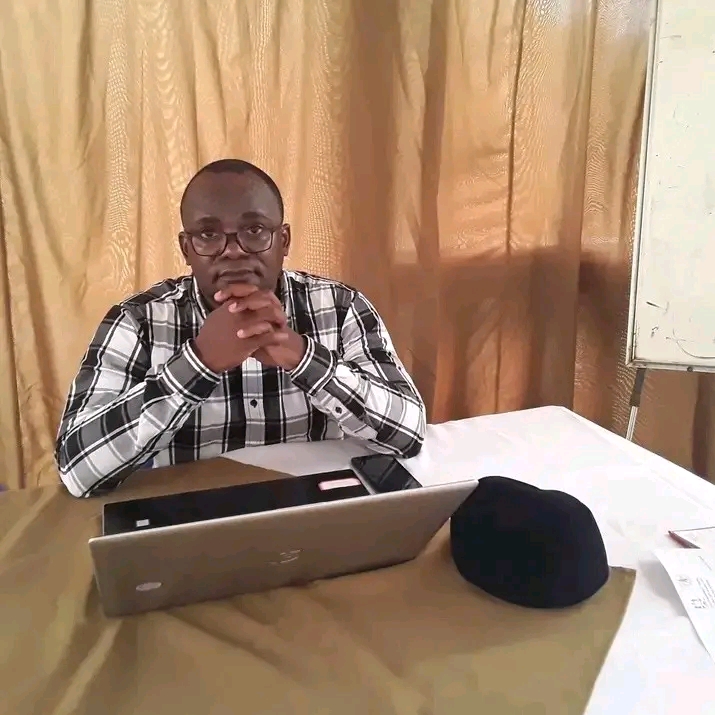
By Michael Martin//MALAWI
The Human Rights Defenders Coalition (HRDC) has called on government to take immediate action over worsening shortages of fuel, cooking gas, electricity, water and essential medicines warning that Malawians are enduring untold suffering.
In a bold statement released on 24 October 2026, titled “Malawians Are Suffering: HRDC Demands Action and Calls for the Resignation of Failing Ministers,” the rights body said it is deeply concerned about the hardships facing ordinary citizens.
The statement, signed by HRDC Chairperson Michael Kaiyatsa, says people across the country are spending days and nights in queues at filling stations in search of petrol and diesel while cooking gas is difficult to find and electricity blackouts have become a daily frustration.
It further notes that water shortages are worsening and public hospitals are struggling to provide essential medicines.
HRDC says behind the statistics are real people whose lives are disrupted daily a mother who cannot afford transport to take her sick child to hospital a minibus driver who spends days in a fuel queue instead of earning money to feed his family a small business owner who loses income due to blackouts, and patients who arrive at hospitals only to find no medicines.
“How long must Malawians continue living like this? Where is the country heading when even the most basic necessities are becoming increasingly difficult to access?” Kaiyatsa questions in the statement.
The coalition says these are not minor inconveniences, as they affect people’s livelihoods, health, dignity and ability to provide for their families.
While acknowledging that Malawi faces serious economic challenges, HRDC says citizens cannot be expected to endure endless shortages without clear answers, effective action and lasting solutions.
On fuel and cooking gas, HRDC describes the situation as unacceptable, noting that motorists are spending days and nights at filling stations, transport operators are losing income, businesses are failing to move goods, and travel has become increasingly difficult and expensive.
The statement comes as Malawi faces its worst fuel crisis in months, with filling stations in Blantyre, Lilongwe, Zomba and other districts experiencing long queues stretching for kilometres, and reports of motorists sleeping at stations.
Authorities, including the Malawi Energy Regulatory Authority (MERA) and the Ministry of Energy, have attributed the crisis to acute foreign exchange shortages.
Malawi requires about one million litres each of petrol and diesel per day approximately 60 million litres a month but forex constraints have led to unpaid Letters of Credit and international suppliers demanding upfront cash.
The National Oil Company of Malawi (NOCMA) said it lost over $400,000 to a payment scam this year, worsening procurement challenges.
The Reserve Bank of Malawi has had to honour some Letters of Credit and even sold gold reserves to pay suppliers, while government is seeking a new International Monetary Fund programme after the previous $175 million Extended Credit Facility lapsed in May 2025.
On Friday, Minister of Energy Jean Mathanga announced that 23.6 million litres of fuel have been procured, with 11.6 million litres already in transit, while the Transporters Association of Malawi (TAM) said 287 tankers are expected this week from Dar es Salaam and Beira to ease the shortages.
However, organisations such as the Malawi Congress of Trade Unions (MCTU) and consumer rights groups have warned that black market prices have soared to K20,000 per litre against the official price of K5,619 for petrol and K5,863 for diesel, pushing up transport costs and disrupting business.
The coalition has since demanded that the ministry responsible for energy and relevant supply institutions take immediate action to normalise supply, and has called for the resignation of ministers who have failed to resolve the crises.
HRDC also says it is deeply troubled by President Peter Mutharika’s conspicuous silence on the fuel crisis.
HRDC claims Mutharika lacks leadership as he is failing to provide explanations and reassurance that the government is working tirelessly to resolve the situation.
He describes the situation as alarming and unsettling, further questioning whether there is any executive or political leadership in place to address this pressing concern.
“The silence exhibited by the government towards this crisis, along with various other challenges facing our nation, is indeed a cause for concern,” he says.
“It is disheartening that amidst the long queues for fuel, the president and his cabinet have chosen to remain silent, causing anxiety among well-meaning Malawians,” decries Kaiyatsa.
He adds that the repercussions of the fuel crisis are far-reaching as they have affected many businesses, and calls on former President Lazarus Chakwera and his government to take immediate and robust measures to resolve the fuel crisis.
“We urge government to communicate transparently with the nation, providing regular updates on their efforts to alleviate this crisis and mitigate its far-reaching consequences,” demands Kaiyatsa.
Information Minister Shadric Namalomba was not readily available for a comment, but authorities keep blaming forex shortage for the prevailing crisis.
About Author