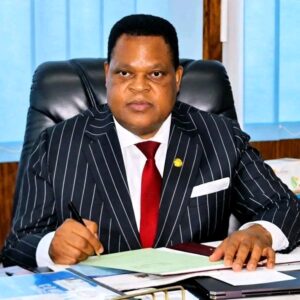
Mukhito dismisses Mutharika health rumours
By Michael Martin//MALAWI
✓………. says he met the President in South Africa and found him cheerful.
✓ Governance and political analysts’ perspectives raise questions
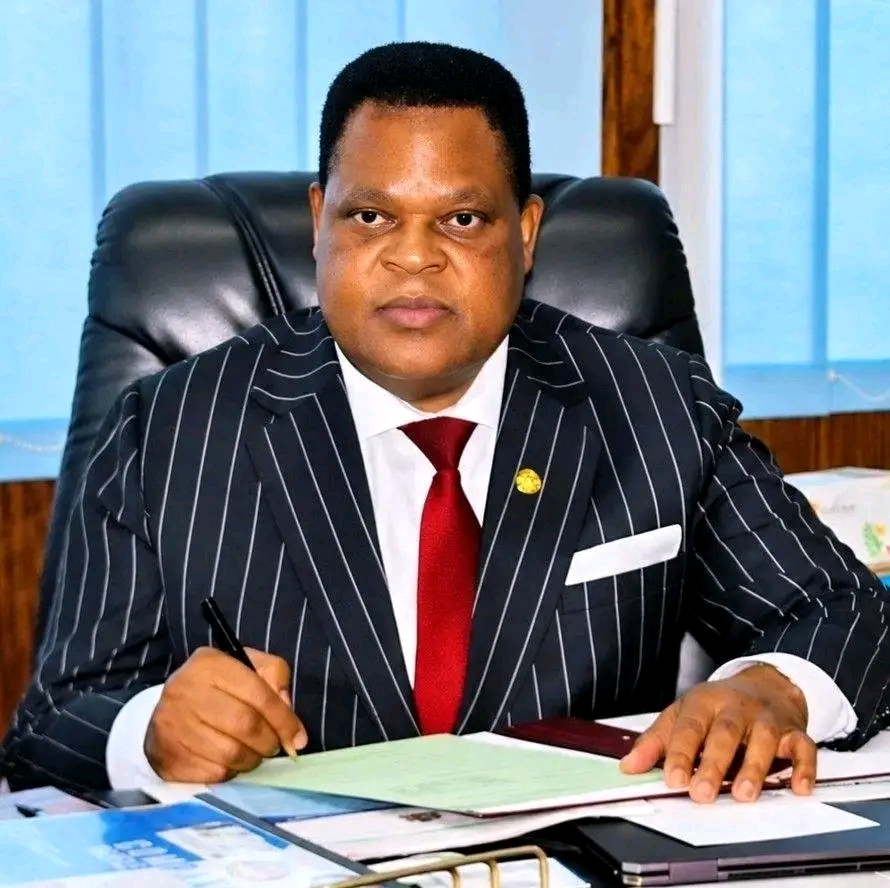
Democratic Progressive Party (DPP) Secretary General Peter Mukhito has dismissed reports that President Arthur Peter Mutharika is bedridden, insisting that the Malawi leader is in good health and continues to exercise his presidential responsibilities while in South Africa.
In an official statement dated October 25, 2026, Mukhito said he personally met Mutharika in South Africa on October 23, where they spent more than an hour in what he described as a warm, cordial and fruitful conversation.
Mukhito said the President was cheerful and vibrant throughout their interaction, arguing that his personal observations contradicted reports portraying the Head of State as bedridden.
“Throughout our interaction, His Excellency was cheerful, vibrant and in good health,” Mukhito said.
He cautioned Malawians against treating unverified allegations about the President’s health as established facts, urging the public to rely on credible evidence when discussing matters concerning the Head of State.
The statement comes amid growing public discussion about Mutharika’s prolonged stay in South Africa, where he has been on a visit described by government as private.
Mukhito maintained that modern communication technologies enable leaders to conduct consultations, make decisions and oversee government operations without necessarily being physically present in their offices.
“The same principle applies to the Presidency. His Excellency continues to provide leadership to our country despite being physically outside Malawi,” he said.
He argued that the effectiveness of the Presidency should be assessed through the exercise of presidential authority, continuity of government and accountability to citizens rather than the President’s geographical location alone.
Mukhito also maintained that Mutharika holds a constitutional mandate extending to 2030, which he expects the President to fulfil in accordance with the Constitution.
Mukhito has consequently urged DPP members and peace-loving Malawians to remain calm, united and focused on development rather than being distracted by what he described as unsubstantiated rumours.
Nevertheless, the question of presidential health is distinct from the question of whether government institutions continue functioning effectively during an extended absence from the country.
Governance expert George Chaima has previously argued that discussions about presidential fitness should focus on the ability to discharge official duties rather than age alone.
He has also called on Mutharika to address Malawians directly about the challenges affecting their daily lives.
Chaima’s previously reported position highlights the importance of distinguishing between unverified claims about a leader’s health and legitimate public questions about the performance of the Presidency.
In the current circumstances, a direct presidential communication could provide an opportunity to address citizens’ concerns about the country’s direction, government priorities and the arrangements for handling national responsibilities.
Such communication would not necessarily require the disclosure of private medical information. Rather, it could clarify matters of public interest while respecting the President’s personal privacy.
Governance and human rights advocate Undule Mwakasungula has previously emphasised the importance of transparency, accountability and public confidence in institutional processes.
The current debate therefore extends beyond whether the President is reportedly in good health to how authorities communicate information, maintain public trust and demonstrate continuity in the administration of government.
About Author